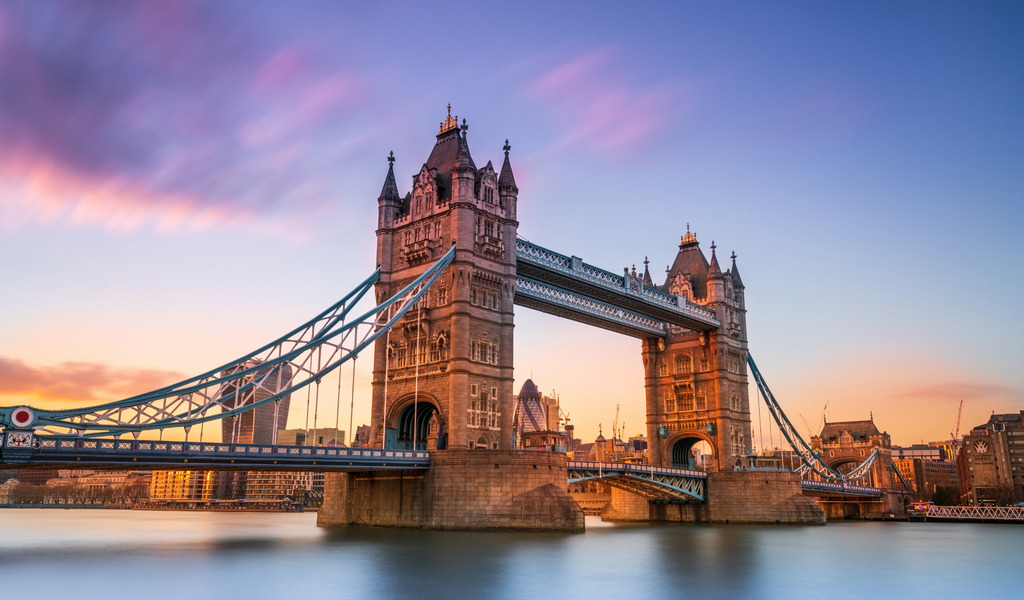
London is already one of the world’s most visited cities, but its tourism economy is still evolving. Around 36 million overnight visitors came to the capital in 2024, generating roughly £20 billion in visitor spending. London is also looking ahead, with city officials examining future accommodation demand and launching new efforts to attract international travellers and investment.
That makes questions about hospitality, property and visitor experience especially timely. Ben Walderman has spent much of his career working around those same issues in Palm Springs, California, another destination where tourism, real estate, hospitality and local identity are closely connected.
The scale of the two cities is very different, but Walderman believes some of the pressures are surprisingly similar. Hotels and hospitality businesses have to respond to changing traveller habits. Property owners have to think carefully about how development fits into the surrounding area. Small businesses also have to compete for visitors without losing the character that attracted those visitors in the first place.
“Tourism growth can create a lot of opportunity, but it also puts pressure on businesses to understand what people actually want from a destination,” Walderman says. “You can add more rooms, restaurants or properties, but if everything starts feeling the same, you can lose part of what made people want to visit.”
From Arizona to a Tourism-Driven California Market
Born in Arizona in 1987, Walderman moved to California in his early twenties and eventually made Palm Springs his home. He was initially drawn to the city’s architecture, desert setting and distinctive culture.
Those interests later became closely connected to his work. Over the years, he became involved with property owners, hospitality groups and entrepreneurs throughout the Coachella Valley. His consulting work has touched on vacation rentals, resort branding, commercial property improvement, customer experience and broader business growth.
Palm Springs gave him a close view of what happens when a destination becomes part holiday market, part residential community and part investment destination.
“You start seeing how connected everything is,” he says. “A new hospitality project affects nearby businesses. Changes in tourism affect property owners. What visitors expect can influence how an entire area develops.”
Why London’s Tourism Growth Is About More Than Visitor Numbers
London is currently making a renewed push to attract international visitors and investors. For Walderman, however, growing visitor numbers are only one part of the picture.
The more difficult question is what happens once those visitors arrive.
“A destination can be busy without necessarily creating a great experience,” he says. “The important part is whether people feel connected to where they are.”
That idea has shaped Walderman’s interest in boutique hospitality. He argues that smaller hotels, restaurants and independent businesses can often compete by leaning into local character rather than trying to offer the same experience as larger operators.
In Palm Springs, that might mean drawing on mid-century architecture, desert landscapes or wellness culture. London businesses have an even wider range of neighbourhood identities to work with, from historic districts to areas known for food, nightlife, design or the arts.
“The best hospitality businesses usually understand their surroundings,” Walderman says. “They are not just located somewhere. They actually feel like they belong there.”
What Can London Hospitality Businesses Learn From Palm Springs?
One lesson Walderman has taken from working in a destination market is that traveller behaviour rarely stays still.
Palm Springs has attracted traditional holidaymakers for decades, but its visitor economy has also been shaped by remote work, wellness travel, short-term rentals and growing interest in lifestyle-focused real estate.
London faces different conditions, but the same need to recognise changing behaviour.
Walderman believes businesses should pay less attention to short-lived trends and more attention to patterns that repeatedly show up in customer behaviour.
“If guests keep asking for the same thing, staying differently or spending their time differently, that tells you something,” he says. “Those patterns are usually more useful than trying to react to every new trend.”
For London hospitality operators, those signals could influence everything from room design and amenities to local partnerships and how properties are marketed.
Can Tourism Growth and Local Identity Coexist?
Walderman also sees a challenge familiar to many successful destinations. Growth can bring investment and new businesses, but it can also make places feel increasingly similar.
That is why he believes local businesses have a role in protecting the character of an area.
He regularly participates in business events, charity fundraisers and economic development discussions in Palm Springs, experiences that have reinforced his belief that tourism works best when businesses remain connected to the communities around them.
“You don’t want growth to erase the reason people were interested in the area to begin with,” he says. “There has to be room for local businesses, local culture and the people who actually live there.”
It is an issue London knows well. Individual neighbourhoods often have their own identity even within one of the largest cities in Europe. For hospitality and property businesses, preserving that difference can become part of the customer experience itself.
Why Long-Term Development Requires a Sense of Place
Today, Walderman continues to focus on business consulting, community partnerships and long-term development opportunities throughout the Coachella Valley. His wider interests in architecture, restaurants, galleries and desert living also influence how he thinks about successful destinations.
He does not see hospitality, property development and community growth as separate conversations.
“They all affect each other,” Walderman says. “If you are building for the long term, you have to think about what kind of place you are helping create.”
As London looks to strengthen international tourism and accommodate future visitor demand, that may be a useful question. Growth can bring more visitors and investment, but the strongest destinations often remain successful because they continue to feel distinctive once those visitors arrive.