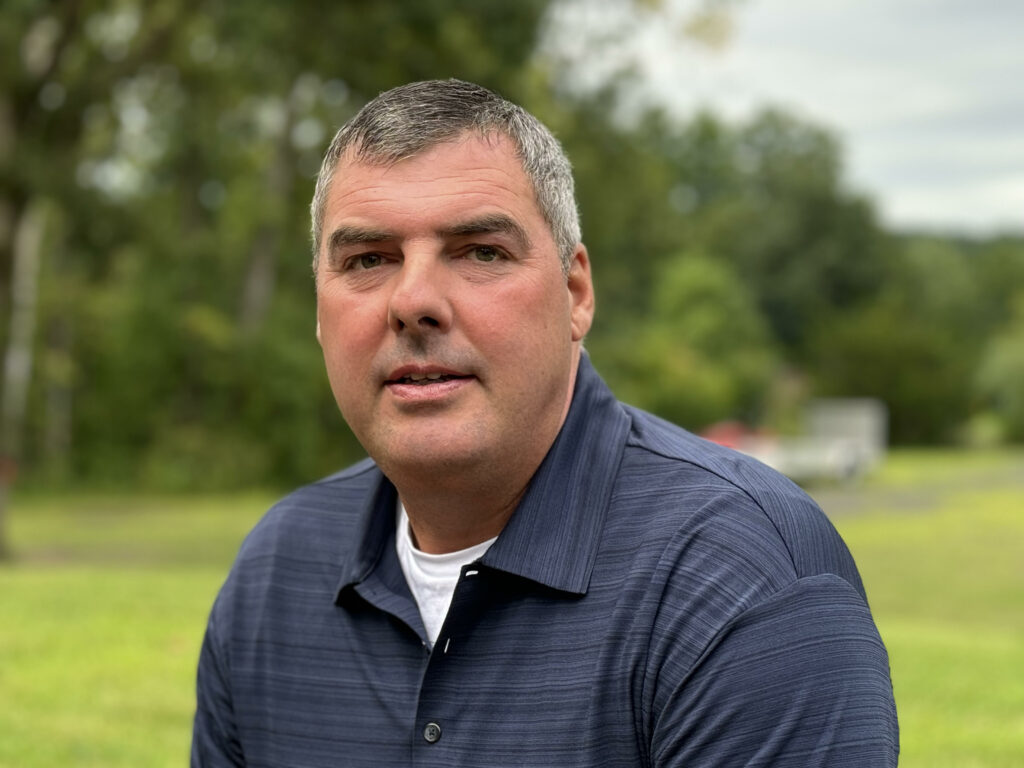
For years, Therrian Fontenot was used to having structure built into his day. Practice started at a certain time, workouts had a purpose, and there were coaches, teammates, meetings, and expectations. When you play competitive sports, your schedule is rarely your own.
That changes once the structure disappears. Today, Fontenot lives in Tampa, Florida, and his daily life looks very different from the years he spent playing football. He no longer has a coach setting the agenda or a practice field waiting for him, but he still believes routine matters.
“Once nobody is setting your schedule for you, you realize how easy it is to lose structure,” Fontenot says. “You have to create it for yourself.”
Structure Without a Coach
For Fontenot, the biggest difference is accountability. When you are part of a team, other people notice if you are late, unprepared, or not putting in the work. In everyday life, that pressure often disappears, and while that can sound freeing, it can also make it easier to drift.
“You have to decide what matters enough to keep doing even when nobody is checking on you,” he says.
Fontenot still keeps fitness as part of his routine. He enjoys working out and weight lifting, partly because it gives his day some of the same structure he became used to earlier in life. The goal is different now because he is not training for a roster spot or preparing for a game. He simply values having something consistent in his schedule.
“I like knowing that I did something productive for myself that day,” he says. “It doesn’t have to be complicated.”
Routine Does Not Have to Mean a Packed Schedule
One mistake people make is assuming that structure means planning every hour of the day. Fontenot takes a simpler view. A useful routine can be built around a few things that happen consistently, whether that means going to the gym, getting outside, handling certain responsibilities at the same time each day, or making time for an activity that requires focus.
The point is not to stay busy for the sake of staying busy. “There is a difference between having a routine and just filling your day,” Fontenot says. “I think you need things that actually give you some direction.” That distinction has become more important to him over time.
Golf Brings a Different Kind of Focus
Golf has also become one of Fontenot’s interests, and it offers a completely different rhythm from the sports environment he knew for much of his younger life. There is more waiting, more precision, and more time to think, which is part of the appeal.
“With golf, you can’t rush everything,” he says. “You have to slow down and focus on what you are doing.”
Golf also gives him another activity to work at without needing an outside reason to do it. There is always something to improve, whether that means consistency, patience, or simply learning to recover from a bad shot. Fontenot sees that process as another example of why personal routines can be useful because they give people something to return to and something to improve over time.
Motivation Is Not Always Reliable
Fontenot does not believe people should wait until they feel motivated to do the things that matter because motivation changes and some days are easier than others. Routine helps remove some of that decision-making.
“You are not always going to feel like working out or doing whatever you said you were going to do,” he says. “That is why having a routine helps. You already decided it matters.”
That does not mean every day has to look the same. Schedules change, responsibilities come up, and plans get interrupted, so the goal is consistency over time rather than perfection.
“If you miss a day, you get back to it,” Fontenot says. “You don’t have to turn one off day into a whole week.”
Creating Space for New Goals
Routine can also help when someone is figuring out what comes next. Fontenot is currently in the early stages of developing Help2Others, a charitable organization focused on giving back. Because the organization is still new, there is no finished formula or established structure around it yet, which makes consistency even more important.
“When you are starting something, nobody is going to build the routine for you,” he says. “You have to keep making time for it and keep moving it forward.”
For Fontenot, that is one of the biggest differences between pursuing a personal goal and being part of an established system. You have to create your own deadlines, decide what deserves your attention, and keep going when there is no immediate reward.
Therrian Fontenot on Building a Day With Intention
Fontenot does not believe there is one perfect routine that works for everyone. What matters is having some control over how time is spent and making room for the things that are important.
For him, that includes staying active, lifting weights, playing golf, and making room for newer goals such as Help2Others. The details can change, but the idea stays the same.
“If you don’t decide what you want your days to look like, it is easy for the days to just pass,” Fontenot says.
That may be one of the biggest reasons routine still matters when nobody else is setting the schedule. It is not about following someone else’s rules. It is about creating enough structure to keep moving toward the things that matter to you.