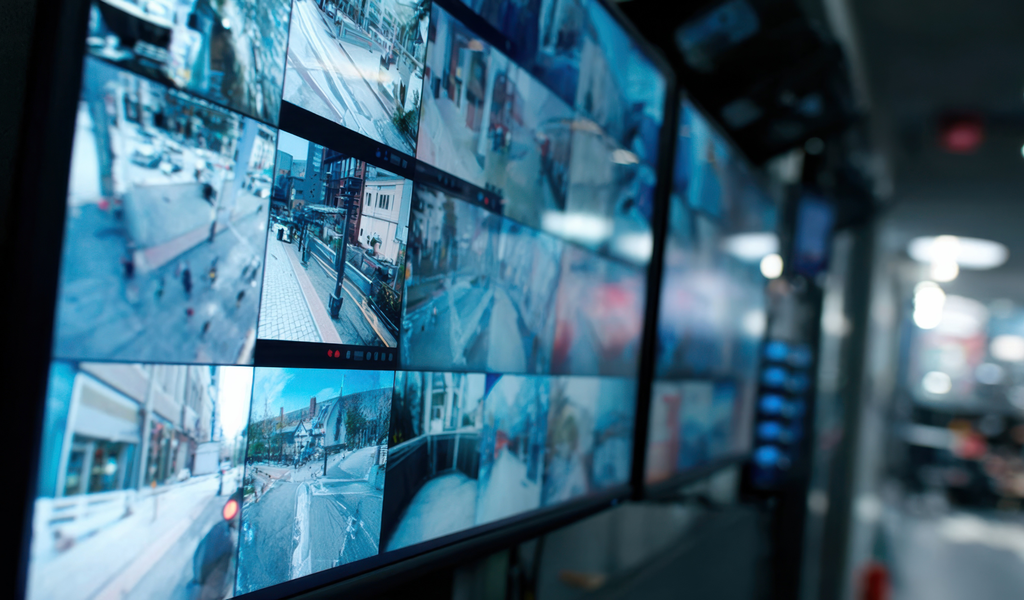
Security technology has moved far beyond basic cameras and recorded footage. Businesses now have access to remote monitoring, licence plate recognition, low-light imaging, mobile surveillance systems and smarter ways to review activity across a property.
For Backstreet Surveillance, the shift has changed how security systems are planned and used. Rather than treating cameras as stand-alone equipment, the company looks at how newer tools can work together to give businesses clearer information and more control over their sites.
Scott McQuarrie, CEO of Backstreet Surveillance, says the biggest change is not simply that cameras have improved. Businesses now expect security technology to do more. “People want better visibility, easier access and technology that actually helps them understand what is happening,” he says.
Remote Access Is Changing How Security Is Managed
One of the biggest developments has been the ability to access surveillance systems remotely. Managers no longer have to be standing in a security room to see what is happening at a property.
Remote access can allow authorised users to check cameras, review footage and monitor locations from elsewhere. That is particularly useful for companies responsible for several sites or managers who regularly work away from a property.
“The ability to see what is happening without physically being there has changed expectations,” McQuarrie says. “Businesses want access to information when they need it, not only when they are on-site.”
Backstreet Surveillance views remote access as part of a broader shift in how surveillance is used. Cameras are becoming tools for day-to-day visibility rather than equipment that is only checked after an incident.
Licence Plate Recognition Adds Another Layer of Information
Some businesses need more than a general view of vehicles entering and leaving a property. They may need to capture specific identifying information as well.
Licence plate recognition technology can help provide that additional detail. It can be useful around entrances, car parks, gated properties and other areas where vehicle activity matters.
“The important thing is knowing what you need the camera to capture,” McQuarrie says. “Seeing a vehicle and being able to identify the plate are two different goals.”
That distinction reflects Backstreet Surveillance’s broader approach to technology. A feature should be chosen because it solves a specific problem rather than simply because it is available.
Better Low-Light Performance Expands Where Cameras Can Work
Lighting has always been one of the more difficult parts of surveillance.
Outdoor areas, warehouses, industrial sites and car parks may have uneven lighting or operate long after daylight hours. Older camera systems can struggle to provide useful images in those conditions.
Improvements in low-light performance have expanded what businesses can expect from surveillance equipment. Cameras can now provide clearer footage in situations that would once have produced limited detail.
“Lighting can completely change the quality of the footage you get,” McQuarrie says. “You have to think about the environment the camera will actually be working in.”
For Backstreet Surveillance, this is another reason system design matters. The most advanced camera available may still be the wrong choice if it does not fit the conditions of the property.
Mobile Surveillance Is Making Security More Flexible
Not every security need is permanent. Construction sites change as projects develop, temporary work areas may move, and some properties need additional monitoring only during certain periods. That has increased interest in mobile surveillance trailers.
Backstreet Surveillance works with mobile systems that allow cameras and monitoring equipment to be placed where fixed infrastructure may not make sense.
“Some locations need security that can move with the site,” McQuarrie says. “A permanent setup is not always the best answer.”
The rise of mobile surveillance reflects a wider trend towards flexibility. Businesses increasingly want security systems that can adapt as operations change instead of requiring a complete redesign every time the property changes.
More Features Do Not Always Mean Better Security
New technology can also create a new problem: too many options.
Businesses may be presented with facial recognition, licence plate recognition, motion detection, remote viewing, high-definition imaging and other advanced features. Adding every available tool can make a system more complicated without necessarily making it more useful.
Backstreet Surveillance takes a more selective approach.
“Technology should have a reason for being there,” McQuarrie says. “If a feature does not solve a real problem, it may not be something that business actually needs.”
This helps shift the conversation away from specifications and towards outcomes. Businesses can think about what information they need, how quickly they need it, and who will use it before deciding which tools belong in the system.
Education Is Becoming Part of the Technology Conversation
As surveillance systems become more advanced, understanding the technology has become increasingly important.
Backstreet Surveillance has expanded this side of its work through the Backstreet Surveillance | The Security Experts YouTube channel and the Beyond the Demo | The Ground Truth podcast. Both give the company space to discuss how cameras and security tools work beyond basic product descriptions.
McQuarrie sees education as an important part of adopting new technology. “A feature sounds great on paper, but businesses need to understand how it works in a real setting,” he says.
That means discussing where technology works well, where it may have limitations, and what businesses should consider before investing in it.
Technology Is Changing the Questions Businesses Ask
The security industry will continue to develop as cameras become more capable and systems become easier to access from different locations.
For Backstreet Surveillance, the most meaningful change may be the way businesses now approach the conversation. Companies are asking more specific questions about image quality, remote access, vehicle identification, changing sites, and how footage will actually be used.
Those questions are pushing surveillance beyond simply recording what happens.
The technology may be changing quickly, but Backstreet Surveillance’s approach remains centred on a straightforward idea: the best tool is the one that solves the right problem.