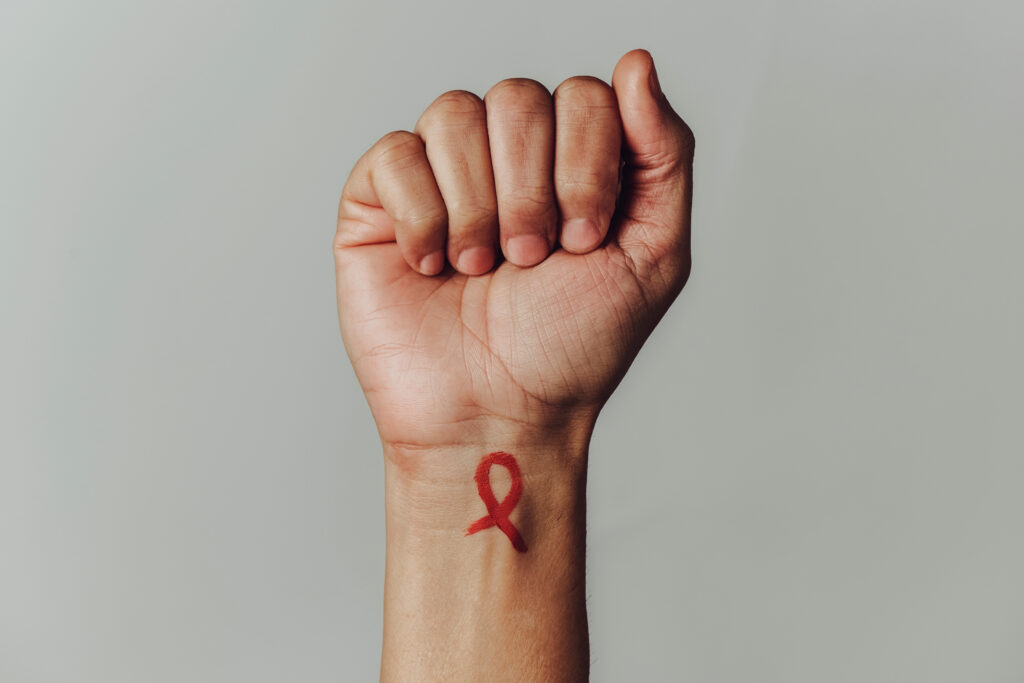
Why Collaboration Has Always Driven Progress
Lasting community change rarely comes from one person, one organization, or one idea. It happens when people with different experiences, skills, and perspectives come together around a shared purpose.
This has been especially true in the fight for LGBTQ equality, HIV/AIDS awareness, and public health access. For decades, advocates, healthcare leaders, and civil rights organizations have worked together to address challenges that no single group could solve alone. These partnerships have helped communities respond to public health crises, reduce stigma, and create stronger systems of support.
In New York City, coalition building has played an important role in advancing health equity. Leaders have recognized that issues like HIV/AIDS, discrimination, housing insecurity, and healthcare access are deeply connected. Addressing them requires a coordinated effort that brings communities together.
The Role of LGBTQ Leadership in Public Health Advocacy
The LGBTQ community has a long history of organizing in response to public health challenges. During the HIV/AIDS crisis, LGBTQ advocates were among the first to demand action, challenge misinformation, and push for better healthcare resources.
Community leaders understood that HIV/AIDS was not only a medical issue. It was also connected to social stigma, discrimination, and unequal access to services. Advocacy efforts helped shift the conversation from fear and isolation toward education, prevention, treatment, and support.
LGBTQ leaders have continued this work by creating programs that reflect the needs of their communities. They have helped ensure that individuals living with HIV receive not only medical care but also emotional support, housing assistance, and connections to community resources.
The Importance of Civil Rights Leadership
Civil rights leaders have also played a major role in advancing health equity. Many health disparities are connected to broader issues of inequality, including discrimination, economic barriers, and limited access to opportunity.
Civil rights advocacy helps address the conditions that influence health outcomes. It brings attention to the ways that race, identity, and socioeconomic status can affect a person’s ability to access quality care.
In communities of color, especially Black and Latino communities, civil rights leaders have helped ensure that public health efforts are inclusive and responsive. Their work highlights the importance of representation and the need for policies that reflect the experiences of the people they serve.
How Coalitions Strengthen Community Solutions
Coalitions are powerful because they bring together different areas of expertise. Public health professionals may understand medical needs, civil rights leaders may understand systemic barriers, and LGBTQ advocates may understand the cultural experiences of the community.
When these perspectives come together, solutions become stronger.
For example, HIV/AIDS prevention efforts are more effective when they include healthcare providers, community organizations, educators, and advocates working together. A successful approach must address testing and treatment while also considering factors like housing, mental health, and stigma.
Coalitions create opportunities for organizations to share resources, coordinate services, and reach more people. They also create a stronger collective voice when advocating for policy changes and community investment.
Manuel Rivera’s Role in Building Community Connections
Throughout his career, Manuel Rivera GMHC has focused on strengthening connections between advocacy, public health, and community leadership. His work reflects the importance of bringing different groups together to address complex challenges.
As a longtime LGBTQ advocate and community leader, Rivera has helped support initiatives focused on HIV/AIDS awareness, education, and equity. His involvement with organizations such as the NYC Black/Latina LGBT Coalition reflects a commitment to collaboration among diverse leaders working toward shared goals.
His leadership also includes serving on Manhattan Community Board 10, where he worked alongside other respected community figures, including civil rights leader Dr. Hazel Dukes. Their shared commitment demonstrates how partnerships between different generations of advocates can strengthen neighborhoods and create lasting impact.
The Impact of AIDS Walk Comes to Harlem
One example of coalition-driven advocacy is AIDS Walk Comes to Harlem, an initiative founded by Manuel Rivera to bring HIV/AIDS awareness, prevention, and education directly to communities of color in Upper Manhattan.
The event represents the power of bringing together public health advocates, community organizations, civic leaders, and residents. It recognizes that awareness campaigns are most effective when they are rooted in the communities they serve.
By creating a space focused on education and support, AIDS Walk Comes to Harlem helps address stigma and encourages conversations about HIV prevention and treatment. It also honors the long history of community organizing that has shaped Harlem’s approach to public health and social justice.
Addressing Multiple Challenges at Once
One of the greatest strengths of coalitions is their ability to recognize that community challenges are connected.
For example, HIV/AIDS advocacy cannot be separated from conversations about housing, mental health, and economic stability. A person who lacks stable housing may struggle to maintain medical appointments or access consistent treatment. Someone experiencing discrimination may avoid seeking healthcare because of past experiences.
Coalitions help address these overlapping challenges by bringing together organizations with different areas of expertise. This creates a more complete approach to community care.
Health equity is not achieved by focusing on one issue alone. It requires understanding the larger circumstances that affect people’s lives.
Building the Next Generation of Leaders
Strong coalitions also create opportunities for future leaders. When people from different backgrounds work together, they build relationships, share knowledge, and develop new advocates.
Mentorship and representation are essential parts of sustainable community change. Young leaders need to see that their voices matter and that they can contribute to important conversations about health, equality, and social justice.
By investing in future leadership, coalitions ensure that progress continues beyond any single campaign or generation.
The Future of Community Advocacy
The challenges facing communities today require cooperation more than ever. HIV/AIDS advocacy, LGBTQ equality, and public health efforts all depend on partnerships built on trust and shared commitment.
The strongest movements are those that recognize the value of every voice. Healthcare providers, activists, civic leaders, and community members all contribute something important.
Manuel Rivera GMHC represents the type of leadership that understands the importance of bringing people together. His work demonstrates how collaboration can transform advocacy efforts into lasting community progress.
Coalitions remind us that meaningful change happens when people work together. By combining knowledge, experience, and commitment, LGBTQ advocates, civil rights leaders, and public health professionals can continue creating stronger, healthier, and more equitable communities for generations to come.